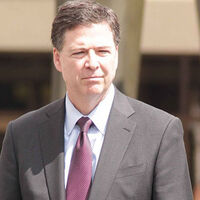


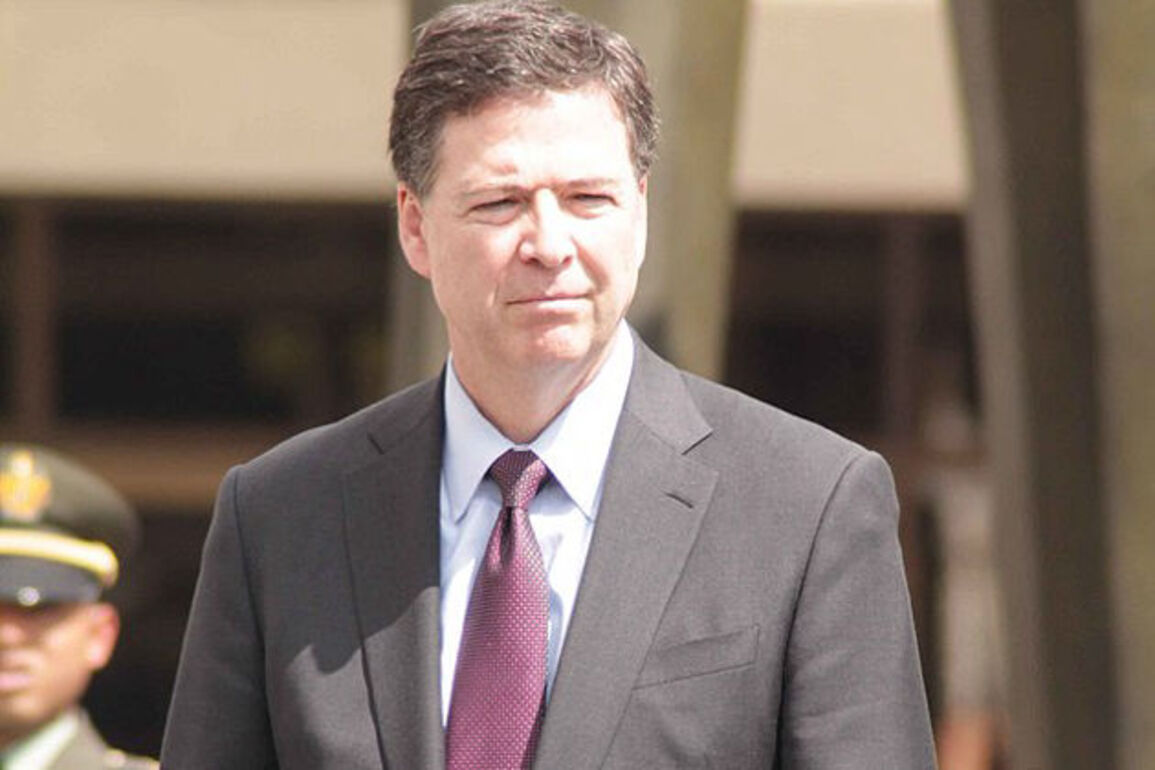
WASHINGTON, D.C: A federal judge ruled on November 17 that the Justice Department showed a "disturbing pattern of profound investigative missteps" while securing an indictment against former FBI Director James Comey.
Magistrate Judge William Fitzpatrick ordered prosecutors to give defense lawyers all grand jury materials from the case.
Fitzpatrick said the problems included "fundamental misstatements of the law" made by a prosecutor to the grand jury, the use of potentially privileged communications, and unexplained irregularities in the grand jury transcript. He said these issues may have undermined the integrity of the proceedings.
In his 24-page opinion, Fitzpatrick delivered the harshest criticism yet of the Justice Department's handling of the Comey case. He noted that procedural errors and a lack of prosecutorial experience have put at risk a prosecution pushed by President Donald Trump, separate from the actual allegations against Comey.
The Comey case, along with a separate prosecution of New York Attorney General Letitia James, has raised concerns that the Justice Department is being used against Trump's political rivals. Both Comey and James have filed motions to dismiss their cases, saying the prosecutions are vindictive and that the prosecutor who brought the charges, Lindsey Halligan, was improperly appointed.
A different judge is expected to rule by Thanksgiving on the challenges to Halligan's appointment.
Comey's lawyers requested grand jury records because they believed irregularities may have affected the case. Halligan, the only prosecutor said to have presented evidence to the grand jury, is a former White House aide with no previous prosecutorial experience. She was appointed interim U.S. attorney for the Eastern District of Virginia just days before the indictment.
After reviewing the grand jury transcript himself, Fitzpatrick said he was deeply troubled by what he found. The Justice Department responded by asking to pause the order so it can file objections, saying the judge "may have misinterpreted" some facts. Later on November 17, U.S. District Judge Michael Nachmanoff put the ruling on hold until those objections are resolved.
Fitzpatrick listed nearly a dozen irregularities that worried him. Among them were two comments from the prosecutor — believed to be Halligan — that he said were "fundamental misstatements of the law." Though the statements were redacted, Fitzpatrick said the prosecutor appeared to ignore the rule that a grand jury cannot draw negative conclusions about a person's choice not to testify. Comey did not appear before the grand jury. He also said the prosecutor seemed to suggest that jurors could rely on evidence not presented to them because it would be shown at trial.
Fitzpatrick further noted confusion in how the indictment was obtained and said that the transcript and recording do not fully capture what happened during the proceedings.