


A comprehensive new study by leading Japanese scientists has sparked heated debate after uncovering a troubling association between intensive COVID-19 vaccination campaigns and unusually high excess mortality rates in Japan. The findings, published in the respected JMA Journal, suggest that the country's unprecedented vaccine rollout may have coincided with one of the sharpest rises in unexplained deaths in decades.
The Numbers Behind the Alarming Trend
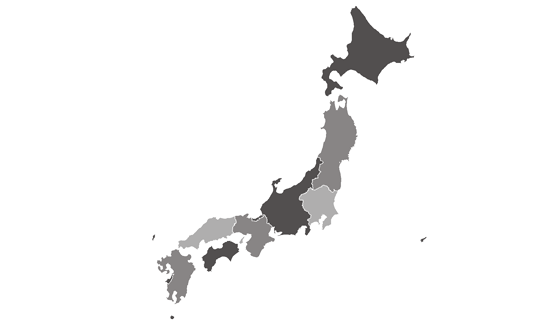
Japan, which administered the highest number of mRNA vaccine doses per capita in the world ? averaging 3.6 doses per person ? reported more than 210,000 deaths above expected levels during the 2022?2023 period. The study, which relies exclusively on official government data, shows a dramatic turnaround in mortality trends:
In 2020, excess mortality was negative at-1.67%, meaning fewer deaths than projected.
By 2022, it spiked to7.55%.
In 2023, it remained alarmingly high at5.76%.
What makes these numbers especially concerning, according to the researchers, is that only around10% of the excess deathscould be explained by COVID-19 infections themselves.
?The sharp increase occurred immediately after the period of the most intensive vaccination and was observed across all age groups,? the authors write.
Who Is Behind the Study?
The authors are not fringe critics, but highly respected academics from prestigious Japanese institutions. Among them areProfessor Hideki Kakeyaof Tsukuba University andProfessor Takayuki Miyazawaof the Institute for Animal-Human Coexistence Research in Kyoto. Their collaboration has brought new weight to growing international questions about the long-term safety and effectiveness of repeated mRNA vaccination.
Record Numbers of Compensation Claims
Supporting their findings are figures from Japan's official vaccine injury compensation program. The government has already approved8,432 casesof health damage compensation linked to COVID-19 vaccines ? including903 deaths. This is not just statistically unusual; researchers emphasize it ismany times higher than all compensations granted for every other vaccine combined over the last 47 yearsin Japan.
The most serious adverse reactions include inflammatory heart conditions such asmyocarditis and pericarditis, conditions that disproportionately affect young men. According to government data, men aged 20?30 face up to a41-fold increased riskof myocarditis after a second dose of Moderna's mRNA vaccine compared to normal background levels.
Immune System Alterations
Beyond acute side effects, the Japanese research team also points to concerningimmunological changesin individuals receiving multiple doses. They observed that after the third dose, levels of a specific antibody subtype,IgG4, surged dramatically from0.04% to 19.27%.
IgG4 antibodies are known to haveimmune-suppressive properties. While this mechanism can sometimes protect the body from overreacting, in this context it could instead lead to?immune tolerance? against the virus itself, reducing the effectiveness of the body's natural defenses.
?This shift suggests that repeated vaccination may fundamentally alter immune responses in ways that are not yet fully understood,? warns Professor Miyazawa.
Voices from Abroad
The debate is not limited to Japan. In the United States,Dr. Robert Redfield, former director of the Centers for Disease Control and Prevention (CDC), recently expressed similar concerns.
?Vaccines saved many lives, particularly among older populations,? Redfield acknowledged. ?But for a healthy 30-year-old firefighter, the benefit is much less clear.? He also noted that the spike protein ? generated by both infection and mRNA vaccination ? may cause ?long-lasting negative effects? in some people.
Other Possible Explanations
Despite their strong data, the Japanese researchers are cautious to note that vaccines may not be the sole factor. They highlight thatexcess mortality is a complex phenomenonand that alternative explanations must also be considered. International experts have identified several possible contributors:
Long-term complicationsfrom past COVID-19 infections (?long COVID?)
Overloaded healthcare systems, particularly during pandemic surges
Delayed medical care and diagnosesdue to lockdown restrictions
Mental health strain, stress, and social isolationthat indirectly worsen physical health
For example, theBritish Heart Foundationrecently reported nearly100,000 excess deaths from cardiovascular diseasein England since 2022, many of them attributed to disruptions in care during the pandemic.
A Call for Deeper Investigation
What sets Japan apart, the researchers argue, is itsunique vaccine profile. Unlike many countries where the population received a relatively uniform number of doses, Japan shows wide variation ? with individuals receiving anywhere fromzero to as many as eight doses. This makes Japan a valuable ?natural laboratory? for studying the long-term impacts of repeated vaccination.
?Further large-scale studies are urgently needed to clarify the connection between intensive vaccination and excess mortality,? the authors conclude. ?Only with better data can we develop more precise and age-appropriate vaccination strategies for future pandemics.?
Balancing Benefits and Risks
The researchers are careful not to dismiss vaccination entirely. They acknowledge that vaccines provided clear protection forelderly and high-risk populations, preventing severe illness and reducing hospital burden. However, they stress that public health authorities mustweigh benefits against risks differently for each age group and health category, rather than applying blanket recommendations.
The study ultimately raises profound questions for both Japan and the global community:How many doses are too many? What are the unintended long-term effects of mRNA technology? And how should societies prepare for the next pandemic without repeating the same mistakes?